As the construction industry seeks practical ways to reduce embodied carbon, high-slag concrete mixes are increasingly specified across Australasia.
Slag (GGBS) has become a major SCM for the Australasian concrete industry.
By replacing a portion of traditional cement with ground granulated blast furnace slag (GGBS), concrete suppliers can offer lower-carbon mixes without changing the basic materials or methods used on-site.
While the long-term durability and sustainability benefits are well understood, high-slag mixes behave differently from conventional concrete. For concreters and site teams, this can present some practical challenges.
Knowing what to expect makes all the difference.
Here are seven of the most common issues encountered on-site when working with high-slag concrete.
1. Slower setting times
One of the first things crews notice is that high slag concrete takes longer to stiffen. Compared with standard mixes, concrete can remain workable for much longer, especially at high slag replacement levels.
This is not a defect, but it does alter the pour’s rhythm. Finishing may need to start later than usual, and finishing too early can damage the surface. Plan for a longer finishing window.
2. Greater sensitivity to cool weather
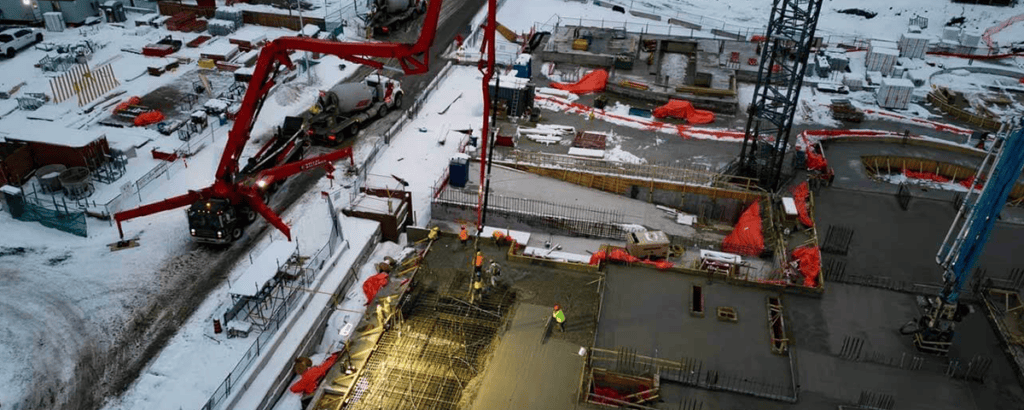
High slag mixes are more affected by temperature, particularly in cooler conditions. On mild or cold days, setting times can extend even further, sometimes well beyond what crews expect based on experience.
This can affect program timing, especially for slabs, pavements, or pours that rely on early finishing, saw cutting, or formwork removal. Cold weather planning becomes more important.
 |
3. Slower early age strength gain
While high-slag concrete often matches or exceeds conventional concrete strength at 28 days and beyond, early-age strength develops more slowly.
From a site perspective, this means extra care is needed before loading slabs, stripping formwork, or allowing early traffic. Engineers and supervisors may need to adjust strength testing schedules or allow additional curing time.
This is a crucial factor. Delayed early strengths can negatively impact site scheduling.
4. Finishing timing is less forgiving
Finishing high slag concrete can be slightly less predictable. Bleed water may appear later or in smaller amounts, and the surface can look ready before it actually is.
Starting the finishing operations too soon can trap moisture and weaken the surface. Waiting too long can make the concrete harder to close and finish cleanly.
Crews often need to rely more on experience and observation rather than the clock.
5. Curing becomes more critical
All concrete needs proper curing, but high-slag mixes are especially reliant on it. Slag reacts more slowly and requires moisture for a longer period to achieve full performance.
If curing is rushed, inconsistent, or skipped, surface durability can suffer.
Effective curing methods are particularly important when using high slag mixes, especially in warm or windy conditions.
 |
6. Early colour variation
High slag concrete can look different in its early life. Surfaces may appear lighter in colour or show temporary green or mottled patches shortly after placement.
These effects are cosmetic and fade over time, but they can cause concern if clients or inspectors are not expecting them.
Manage expectations early.
7. Familiarity and consistency
Perhaps the biggest challenge is simply familiarity. High slag mixes behave differently enough that crews need time to adjust. Small changes in weather or timing can have a bigger impact than with conventional concrete.
Trial pours, clear communication with the batch plant, and sharing lessons learned across crews all help reduce surprises on future projects.
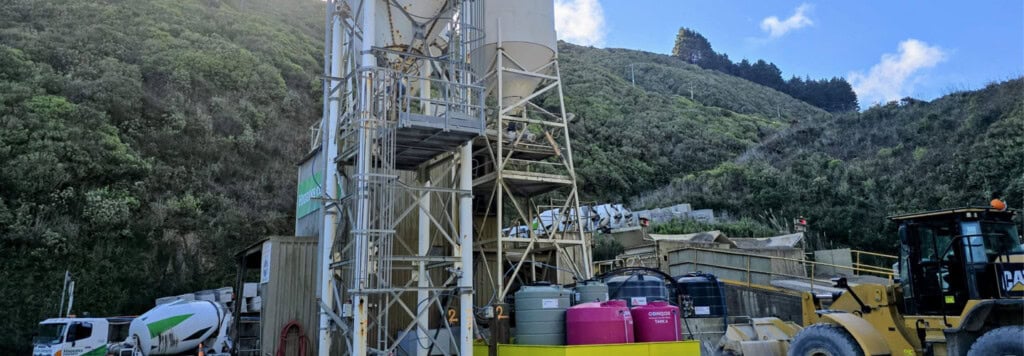
Why not make the mix perform more like traditional mixes, from the outset? Meet CONQOR A80.
 |
What is CONQOR A80, and how can it help your mix?
CONQOR A80 strength accelerator, designed for slag concrete and shotcrete, is a liquid admixture that enhances early strength in high-slag mixes.
CONQOR A80 enhances the stability and early-age strength development of fresh concrete mixes with GGBS (Ground Granulated Blast-Furnace Slag) content of 30 to 65%.
CONQOR A80 is available for bulk supply. Being in liquid form, it is easy to dose, transport and store.
If you’re involved in mix designs that include GGBS, we invite you to download the CONQOR A80 technical data.
Or get in touch! We’re always keen to learn more about concrete industry challenges and discuss how we can move your mix forward. Talk to us about arranging field trials with your specific mix: the fastest, cleanest, and most honest way to validate performance and build internal confidence.
CONQOR – Making Concrete Better™
- ON-DEMAND WEBINAR: Optimising for SCMs.