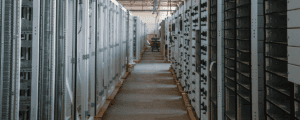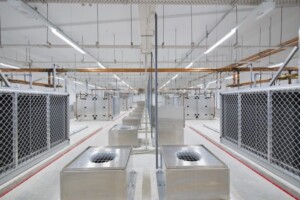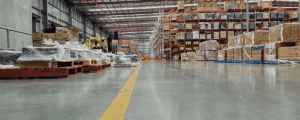
Exposed concrete floors have become a signature look in retail.
In shopping centres, flagship stores and showrooms, the slab is no longer hidden under vinyl or tile. It is the finished floor that customers walk on every day.
That changes the brief. A slab that would once have been covered must now look good on opening day and keep looking good under years of trolleys, pallet jacks, foot traffic and cleaning machines. Yet the practices that cause warehouse and commercial slabs to fail early are just as common on retail projects.
What goes wrong with exposed retail slabs
- Poor or interrupted curing. Curing compounds get skipped and wet curing gets cut short. The surface dries out too fast, leaving a weak, porous top layer that dusts and wears.
- Fit-out damage. Trades, scissor lifts, paint, plaster and hydraulic oil all land on the slab weeks before the doors open.
- Staining. An unsealed slab absorbs oils, drinks, food and cleaning chemicals. In a retail space, a stain is a brand problem, not just a maintenance one.
- Dusting and wear. Weak surface paste breaks down under trolley wheels, putting dust on stock and shelving and leaving worn, patchy aisles.
- Sealer cut from the budget. Sealing is often one of the first items culled when a project is under cost pressure. It saves money on the day and costs the retailer for the life of the floor.
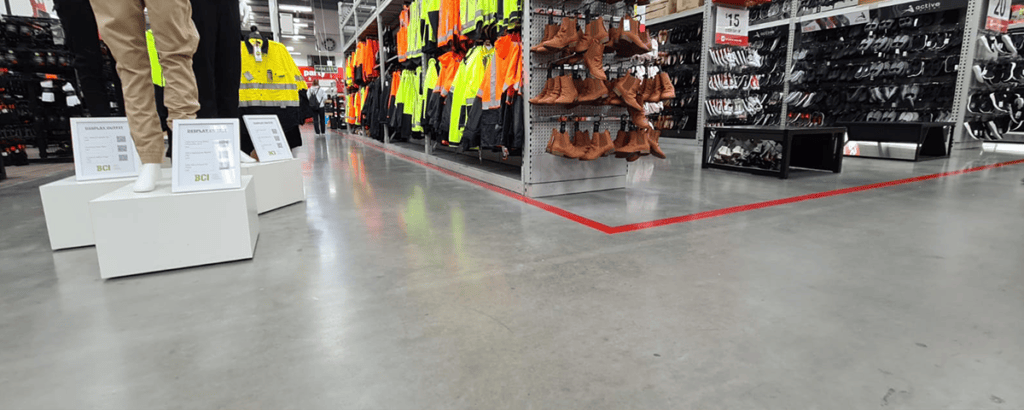 |
| Project in brief: TWL Sylvia Park |
Protect the slab from the day it is poured
Most of these problems are locked in during the first days of the slab’s life. A treatment applied at handover can only work on a surface that has already been compromised.
Topical coatings have their own limits. They sit on top of the concrete, wear through in traffic lanes and need re-coating, which often means closing the store.
- DOWNLOAD: CONQOR SEAL Technical Data Sheet
The better approach is to treat the concrete at the time of pour. Curing, hardening, and sealing then happen together, and the slab is protected throughout fit-out, not just afterwards.
How CONQOR SEAL protects the slab
CONQOR SEAL is a penetrating hydrogel treatment from MARKHAM’s CONQOR range, applied to fresh concrete. Rather than forming a film on the surface, it works within the concrete itself. One application does the work of three separate treatments:
- Curing. CONQOR SEAL can replace the curing compound or water curing, helping the surface reach its full strength. And it doesn’t need to be removed at the end of the project.
- Hardening. CONQOR SEAL will densify the slab to reduce dusting and improve wear resistance under trolley and foot traffic.
- Sealing. Just like the name says! CONQOR SEAL permanently seals the slab’s porosity, limiting the absorption of spills and stains. Because it is embedded in concrete, it does not wear off or require re-coating later.
Treated surfaces are trafficable within about an hour, so the system suits tight retail programmes. Over time, the sheen of a treated slab typically improves with traffic and maintenance rather than dulling. Fewer products and fewer trades also mean less cost and less time on the programme.
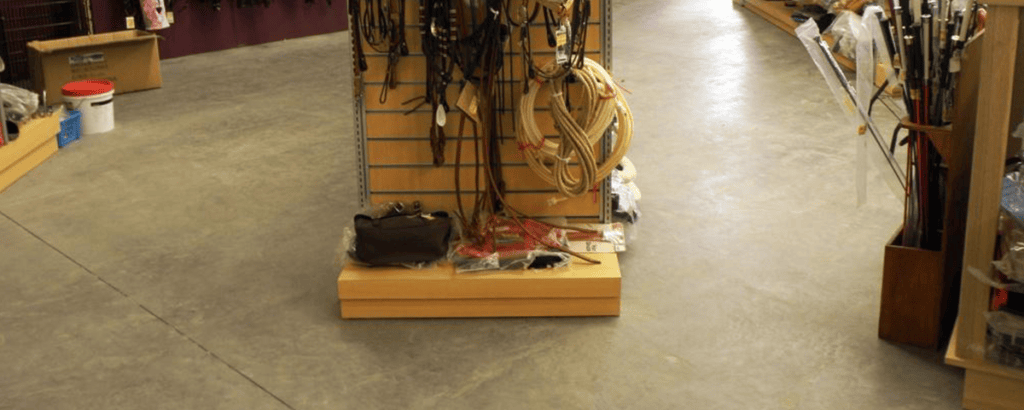 |
| Case study download: Pakenham Produce |
Get it into the specification early
The best results come when floor protection is specified at the design stage, not chosen as a cost-cut at the end of the project. If you are an architect, engineer, builder, developer or retailer planning exposed concrete floors, now is the time to lock it in.
Download the CONQOR SEAL technical data for application rates, performance data and specification guidance.
Next steps for your project? Our team can review your project, recommend the right specification and support your site team through the application. Contact a MARKHAM technical specialist today.
More on this topic: try our on-demand webinar, “New Warehouse Floors and Other Naked Concrete“.